
Basic Red 76
Description
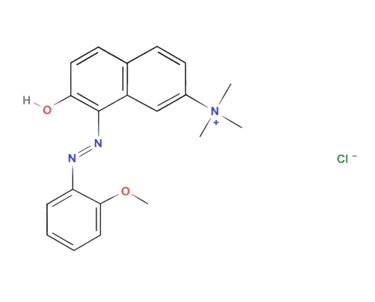
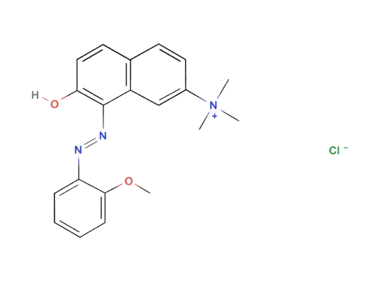
Basic Red 76 (CI 12245; CAS 68391‑30‑0) is a synthetic cationic azo dye—chemically, it’s [7‑hydroxy‑8‑(2‑methoxyphenyl)azo‑2‑naphthyl]trimethylammonium chloride. It appears as a dark‑red powder, is water‑soluble, and melts around 200 °C. It’s mainly used in hair‑coloring (non-oxidative direct dyes) at concentrations up to about 2%, where its positive charge helps it bind strongly to negatively charged sites on hair fibers.
Chemical Structure of Basic Red 76
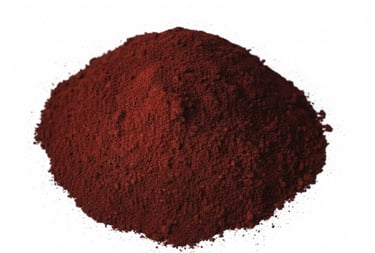
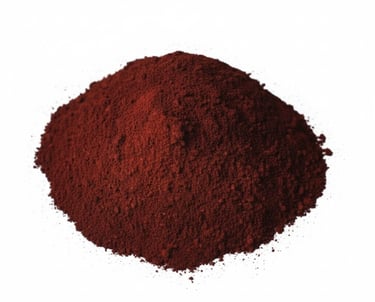
Appearance of Basic Red 76
Uses
1. Hair Dyeing (Primary Use)
Packing
Export Worthy packing 5 Kg Drum, 25 Kg Drum, 50 Kg Drum.
Storage Conditions
Store in cool and dry place at room temperature, protect from direct sunlight.
Molecular Formula
CAS No.
CI No.
IUPAC Name
Synonyms
Molecular Weight
Appearance
Solubility
Dye Content (Spectrophotometry)
C₂₀H₂₂ClN₃O₂
12227-89-3
42590
N-[4-[(4-Amino-3-methylphenyl)azo]phenyl]-N-methylethanaminium chloride
1-(Dimethylamino)-4-[(4-methylphenyl)azo]benzene chloride
279.77 g/mol
Red, water-soluble powder or granule.
98%
:
:
:
:
:
:
:
:
:
The most common use of Basic Red 76 is as a non-oxidative (direct) hair dye. It’s frequently incorporated into semi-permanent red hair colors.
Because it is a cationic dye (positively charged), it binds very effectively to the negatively charged sites on hair keratin, which makes the color deposit well and gives vivid red shades.
According to safety‑assessment data, its use in hair coloring formulations is typically at concentrations up to 0.35% in some products, though regulatory limits go higher: in the EU it is permitted up to 2.0% in non-oxidative hair dye products.
Because it’s a direct dye (i.e., does not require a peroxide developer), it is relatively gentle in terms of hair‐shaft damage compared to oxidative dyes, but color fade is faster (like with many direct dyes).
2. Hair‑Conditioning Agent
Apart from coloring, Basic Red 76 can also serve as a hair-conditioning agent in formulations. The Cosmetic Ingredient Review (CIR) expert panel evaluated it in this role.
As a cationic molecule, it may help improve the feel of hair (smoothness, manageability) via electrostatic interactions, though its primary functional role is color.
3. Textile Dyeing
4. Ink Production
5. Photographic Applications
According to chemical‑supply catalogs, Basic Red 76 is used to dye acrylic fibres in the textile industry.
Its cationic nature makes it well-suited for synthetic fibers that have negatively charged sites, facilitating good dye uptake and color strength.
It’s also reported to be used in paper and leather dyeing for bright red hues.
Basic Red 76 is used in manufacturing printing inks, especially where vivid red color is required.
Because of its strong color strength and solubility, it's useful in ink formulations that need a stable dye.
Some sources list it as being used in photographic development, though this is less common than its use in cosmetics or textiles.
In such roles, it might act as a dye intermediate or a component of color-forming systems.
Soluble in water
6. Chemical Intermediate
Basic Red 76 can serve as an intermediate in the synthesis of other chemicals, including certain perfume or drug molecules, according to some chemical‑supply companies.
Because of its azo structure, it can be modified or coupled further in chemical reactions, which can be useful in synthetic chemistry.
Contact
Reach out for inquiries and partnerships.
Follow
Connect
© 2008-2025, All Rights reserved by MODASA Pharmaceuticals Pvt. Ltd.