Basic Yellow 57
Description
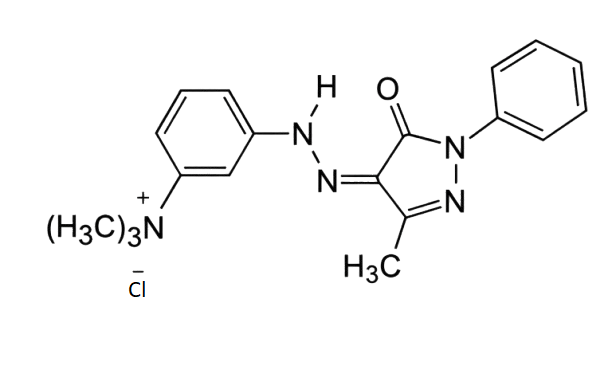
Basic Yellow 57 has been evaluated by the Cosmetic Ingredient Review (CIR) Expert Panel, which found it to be safe when used in hair dyes under the current typical concentrations and usage conditions. It is classified as a direct, non‑oxidative dye, meaning it is applied without a developer like hydrogen peroxide. Although there is some concern over limited carcinogenicity data, the panel noted its low systemic absorption, lack of genotoxicity, and minimal adverse effects in animal studies. Nevertheless, in vitro research has shown that when Basic Yellow 57 is combined with hydrogen peroxide (and a coupler like resorcinol), it can induce DNA fragmentation in human keratinocyte cells — though this effect is comparable to that caused by hydrogen peroxide alone. Regulatory limits reflect these safety considerations: per EU regulations, its maximum allowed concentration in non-oxidative hair dyes is 2%.
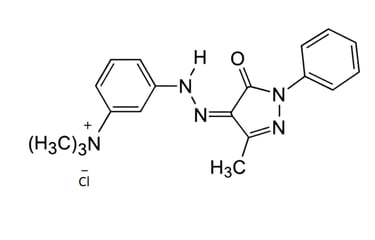
Chemical Structure of Basic Yellow 57
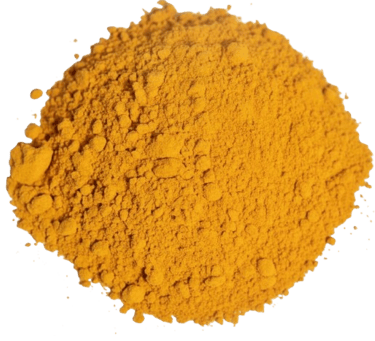
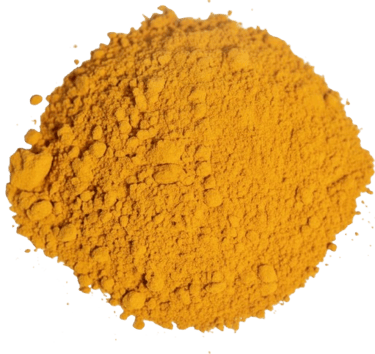
Appearance of Basic Yellow 57
Uses
1. Hair‑Colouring / Cosmetic Use
Packing
Export Worthy packing 5 Kg Drum, 25 Kg Drum, 50 Kg Drum.
Storage Conditions
Store in cool and dry place at room temperature, protect from direct sunlight.
Molecular Formula
CAS No.
CI No.
IUPAC Name
Synonyms
Molecular Weight
Appearance
Solubility
Dye Content (Spectrophotometry)
C₁₉H₂₂ClN₅O
68391‑31‑1
12719
trimethyl‑[3‑((3‑methyl‑5‑oxo‑1‑phenyl‑4H‑pyrazol‑4‑yl)azo)phenyl]azanium chloride
Benzenaminium,3-[(4,5-dihydro-3-methyl-5-oxo-1-phenyl-1H-pyrazol-4-yl)azo]-N,N,N-trimethyl-, chloride
371.87 g/mol
Orange‑yellow fine powder.
98%
:
:
:
:
:
:
:
:
:
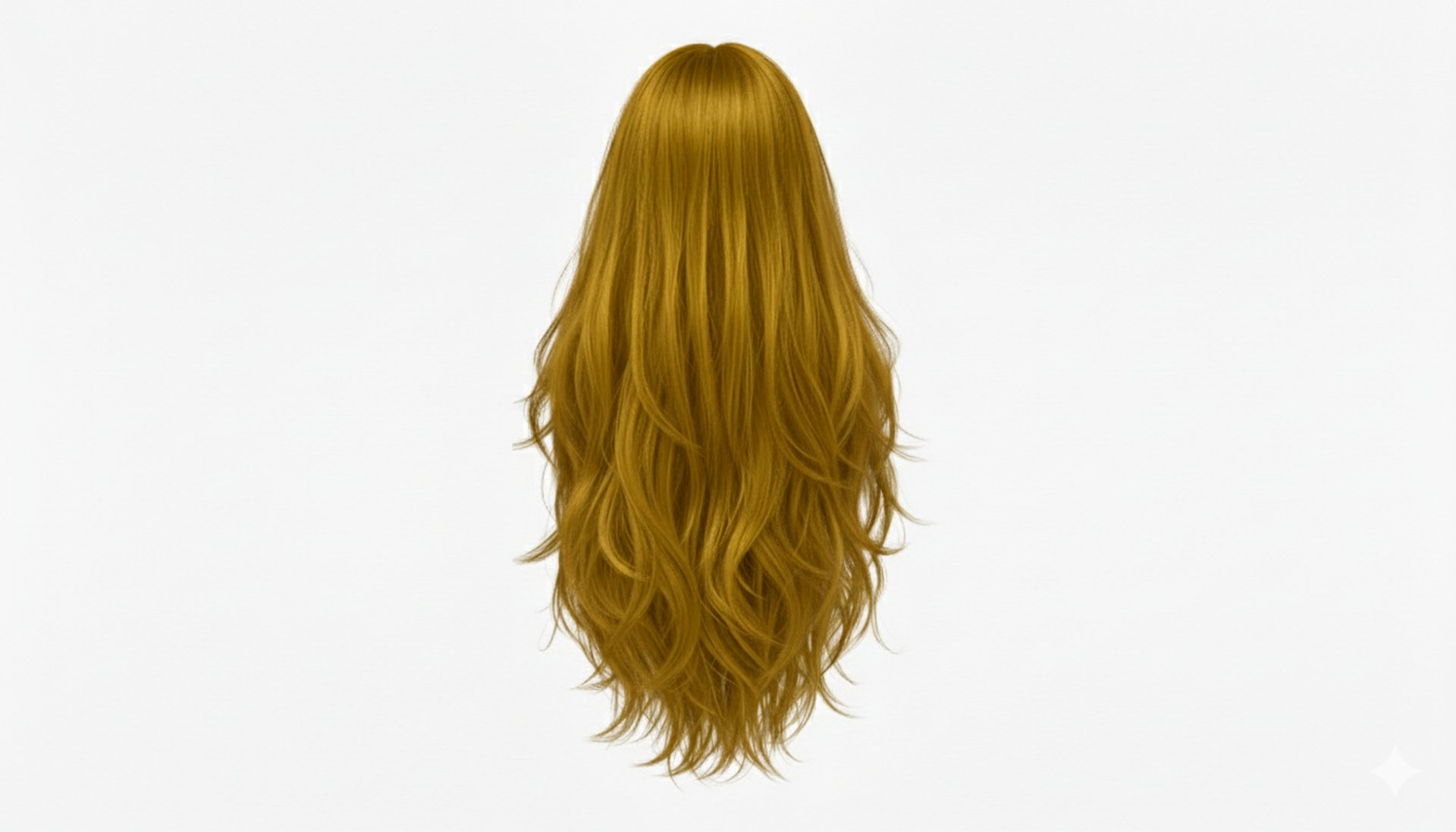
Direct (Non‑Oxidative) Hair Dye: Basic Yellow 57 is predominantly used as a direct (semi-permanent) hair dye. Unlike oxidative dyes, it does not require a developer (like hydrogen peroxide) to work — it's already a pre‑formed dye.
Product Types: According to industry data (2021 VCRP survey), it is used in a variety of hair colouring products: hair dyes / colours, colouring rinses, colouring shampoos, hair‑colour sprays, and other colouring hair products.
Concentration Limits: Its use is regulated. For example, in hair dyes / colours, its reported maximum concentration is up to 0.43% in the U.S. per the VCRP data. In the EU, it’s restricted to non‑oxidative hair dye products, with a maximum allowed concentration of 2.0% in the ready-to-use preparation.
Labeling and Safety Warnings: Because it’s considered a “coal tar hair dye” under U.S. regulations, products containing Basic Yellow 57 must carry a caution statement: “Caution – this product contains ingredients which may cause skin irritation on certain individuals … a preliminary test … should be made,” along with patch-test instructions.
Formulation Considerations:
Since Basic Yellow 57 is a cationic dye (positively charged), formulators must be careful with the other ingredients in the product. For example, when used in shampoos or conditioners, using non‑ionic or amphoteric surfactants (rather than anionic surfactants) helps prevent precipitation or incompatibility.
In semi-permanent “shampoo‑dye” or conditioner-based dye formulas, Basic Yellow 57 helps tone or adjust hair colour, especially for light or bleached hair, without much permanent alteration.
Skin / Scalp Penetration: Some studies show limited dermal absorption. For example, a human dermal absorption test reported no significant uptake when Basic Yellow 57 (1 mm in 40% isopropanol/water) was applied.
Safety Profile in Use: In acute toxicity studies, Basic Yellow 57 has relatively low toxicity — for instance, an LD₅₀ > 2000 mg/kg in dermal exposure in rats. The Cosmetic Ingredient Review (CIR) Expert Panel has evaluated its safety for cosmetic uses (hair dye) and concluded that it's safe under current use practices and concentrations.
Sensitisation Risk: There is some concern about sensitization (allergic reactions) with hair dyes. Regulatory bodies note this, which is why patch testing is mandatory and warning labels are required.
2. Other Industrial Uses
Beyond cosmetics, Basic Yellow 57 has other applications (though these are less prominent or may depend on supplier / purity):
Textile Dyeing: According to some suppliers, Basic Yellow 57 can be used as a dye for fabrics and fibers to give a bright yellow hue.
Biological / Scientific Staining: It is used in research labs or diagnostic settings for staining — due to its vivid yellow color, it can act as a biological stain in certain microscopy or histology applications.
Plastic Coloring: Some sources mention its use in coloring plastics to impart a yellow tint.
3. Regulatory Considerations in Use
EU Restriction: As mentioned, EU restricts Basic Yellow 57 to non‑oxidative hair dye formulations with a max 2% concentration.
Patch Test Requirement: Because of its potential to cause skin irritation or sensitization, hair dye products using it must include clear instructions for patch testing 48 hours before use.
Safety Evaluation: The CIR Panel’s assessment included toxicokinetic, genotoxicity, and toxicology data to support its safe use.
Environmental / Health Concerns: While CIR judged it safe under normal cosmetic conditions, some regulatory or health‑concerned sources (like EWG) note industry‑government restrictions and raise flags about concentration, possible impurities, and sensitization risk.
Soluble in water
Contact
Reach out for inquiries and partnerships.
Follow
Connect
© 2008-2025, All Rights reserved by MODASA Pharmaceuticals Pvt. Ltd.